Knowing the Right Timing With Weather, Wear, and Surface Changes
Your roof protects your home every day. Sun, rain, wind, and heat wear it down over time. Paint adds a strong layer of defense, but timing matters. Many homeowners wait too long or act too soon. Both choices waste money and shorten life span. Knowing the right window helps you avoid leaks and damage. It also keeps your home looking clean and well cared for. This guide explains how to spot the signs, plan the work, and extend roof life.
Why Timing Plays a Big Role With Long-Term Protection
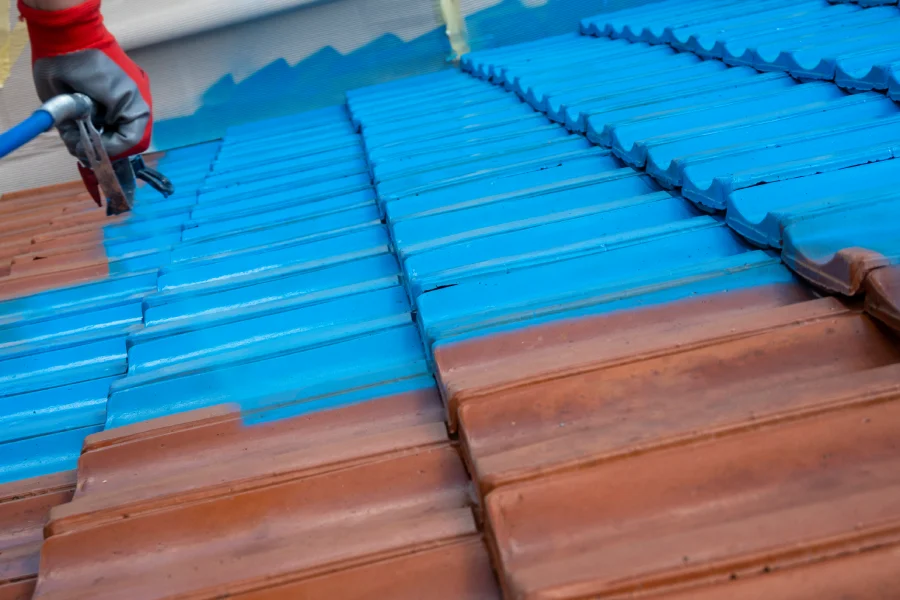
Timing affects how well coatings bond to the surface. Applying roof painting too early leads to wasted material. Doing it too late allows cracks to spread. Most surfaces need fresh coats every 8 to 15 years. The range depends on material, climate, and past care. Asphalt shingles fade faster in hot zones. Metal lasts longer but still needs checks. Proper timing reduces repair costs and prevents early replacements.
Clear Benefits Gained With a Fresh Protective Coat
Homeowners see several gains after roof painting at the right time. These benefits support both value and comfort. Correct timing helps paint seal small flaws before growth. It also boosts energy control during hot months.
- Blocks moisture from entering small cracks
- Reflects heat and lowers cooling costs
- Improves curb look without a full replacement
- Slows rust on metal surfaces
- Adds years to overall roof service life
Common Warning Signs With Fading and Surface Damage
Visible wear often shows before leaks begin. Ignoring early signs leads to higher repair bills. Watch for color loss, chalky residue, or peeling layers. Granules in gutters signal shingle wear. Metal roofs may show light rust lines. Flat surfaces may blister. These issues show that the current coating no longer protects. Acting then prevents deeper structural harm.
How to Decide the Best Time Using Simple Checks
You can judge timing with a few basic checks. Start with a visual scan twice each year. Spring and fall work best. Pair this with age and weather history.
- Check the roof age and last coating date
- Inspect for cracks, peeling, or bare spots
- Review recent storm or heat exposure
- Test adhesion by gently scraping a small area
- Schedule work during dry, mild weather
Best Practices With Prep Work and Product Choice
Surface prep decides how long a new coat lasts. Clean surfaces hold coatings better. Repairs should happen before any application. Use products made for your roof type.
- Power wash to remove dirt and mold
- Seal cracks and replace damaged pieces
- Choose coatings rated for UV and moisture
- Follow drying times listed by makers
- Avoid work during extreme heat or cold
Meeting Standards With Safety and Local Rules
Local codes guide safe work methods. Many areas require fall protection on slopes. Some cities require low VOC products. Manufacturers also set coverage and thickness rules. Ignoring these voids warranties. Professionals follow these standards to ensure long-term performance. Always check permits and product labels before starting.
Understanding Costs With Value Over Time
Costs vary based on size, material, condition, and coating type. Basic acrylic systems cost less upfront. Silicone lasts longer but costs more. Spending slightly more often saves money later. Timely recoating avoids tear-offs and interior repairs. Most homeowners see strong value within a few seasons through fewer fixes.
Making the Right Choice With Expert Help
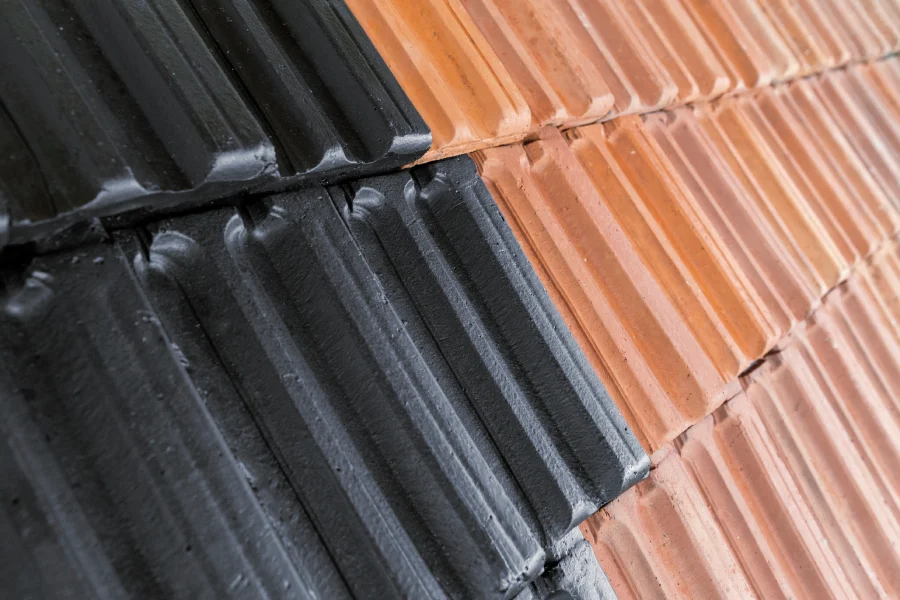
Choosing the right moment protects your investment and lowers stress. Located in Hayward, CA, we help property owners plan projects that last. California RoofGuard Experts focuses on timing, prep, and materials that fit each roof type. Call (510) 954-8335 to discuss schedules, inspections, and long-term durability goals.