How Proper Planning With Early Building Decisions Protects Long-Term Value
Every new build relies on smart choices made early in the process. The roof plays a major role in safety, comfort, and long-term costs. When planned well, it protects the entire structure from weather and damage. When rushed or ignored, it creates ongoing problems. Builders and owners often focus on walls and interiors first. That approach leads to missed risks above. A strong roof plan supports energy use, resale value, and local code approval. Understanding its role helps you avoid repairs later.
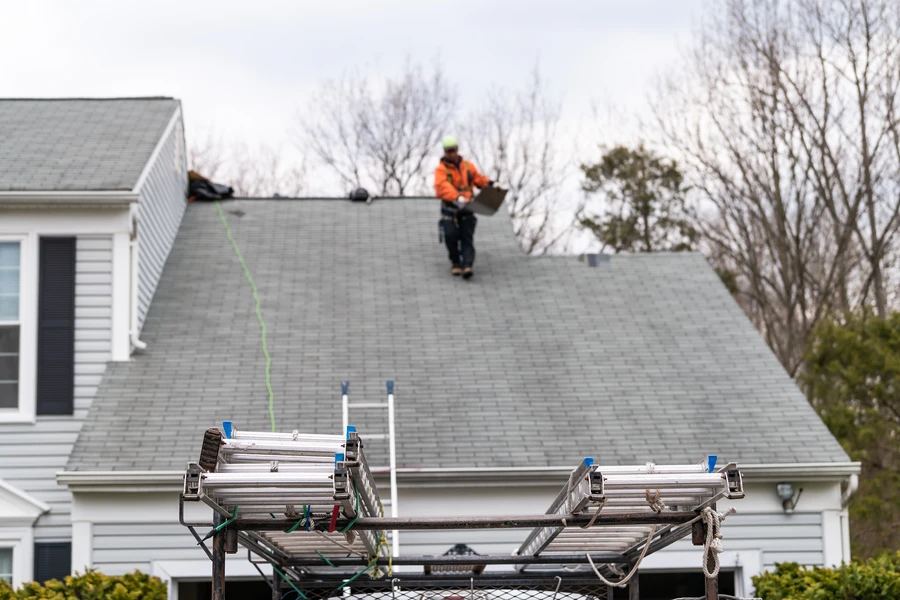
Key Benefits With Early Roof Planning
Early planning creates a clear path for roof installation to support the entire build. The roof system ties into framing, insulation, and drainage. Getting this right improves durability and home comfort. A well-planned system reduces leaks, heat loss, and future fixes. It also supports proper load balance from wind and snow. Many builders see fewer delays when roofing details are set early. You gain a clear schedule and fewer change orders during construction.
Common Problems With Poor Roofing Decisions
Delays and defects often follow rushed roof installation during new construction. Crews may clash with other trades on site. Materials may not match slope or climate needs. Poor flashing leads to leaks around vents and skylights. In many cases, fixes require opening finished ceilings. These problems raise costs and strain deadlines. They also damage trust between owners and builders.
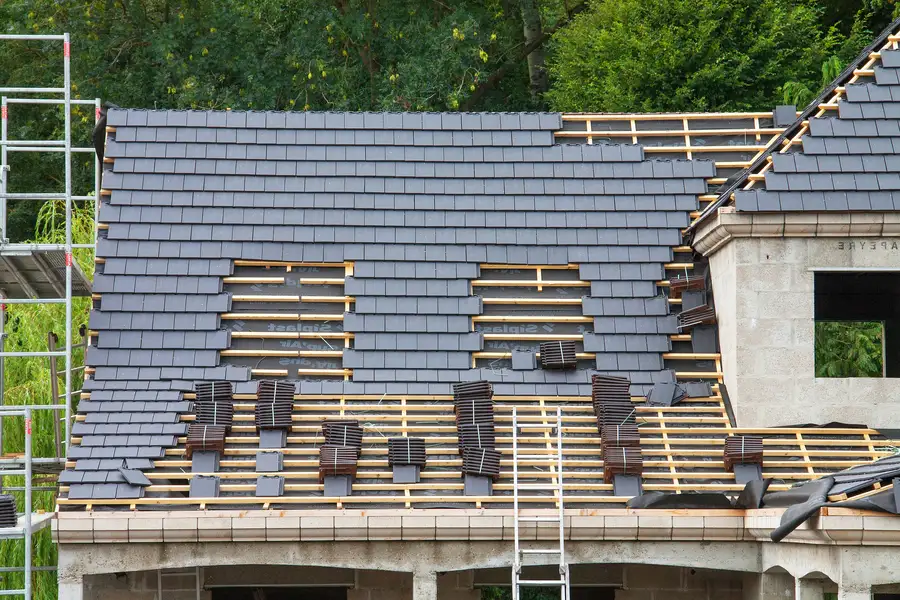
Practical Solutions With Step-by-Step Coordination
Clear coordination prevents most roofing issues on new builds. It starts with design review and ends with final inspection. Each step supports the next trade and avoids rework.
- Review roof design with framing plans before materials arrive
- Confirm slope, drainage paths, and vent placement
- Select materials suited for local weather and code rules
- Schedule roofing after framing but before interior finishes
- Inspect flashing, underlayment, and fasteners before sign-off
Best Practices With Long-Term Performance in Mind
Quality roofs follow clear standards and proven methods. These practices reduce wear and support longer service life. Builders who follow them see fewer warranty claims.
- Use proper underlayment to block moisture
- Install adequate attic ventilation to control heat
- Follow manufacturer spacing and fastening rules
- Seal all penetrations with approved materials
- Document each stage for future reference
Industry Standards With Code and Safety Requirements
Local codes set rules for load ratings, fire resistance, and drainage. These rules protect both occupants and builders. Most areas require permits and inspections for new roofs. Standards may also reference national guidelines like IRC or ASTM ratings. Meeting these rules helps avoid fines and rebuilds. It also supports insurance coverage and resale value. Always confirm local updates before work begins.
Cost Considerations With Value Over Time
Roofing costs vary by material, design, and labor access. Lower upfront costs may lead to higher repair bills later. Comparing short-term and long-term value helps guide smart choices.
- Pros: Better materials last longer and reduce repairs
- Pros: Energy-efficient designs lower utility bills
- Cons: Higher quality raises initial build costs
- Cons: Complex designs need skilled labor
Final Steps With Professional Support
Planning the roof early protects your investment and timeline. Located in Hayward, CA, we serve builders who value clear planning and strong results. Call (510) 954-8335 to discuss project needs and scheduling. At California RoofGuard Experts, we focus on lasting performance for new construction and growing communities.